designed with purpose, crafted consciously

At BRAYTON, caring for the environment is woven into everything we do.
Our Second Nature sustainability initiatives reflect a genuine commitment to responsible sourcing, energy-conscious manufacturing, and waste reduction throughout our U.S. facility and supply chain. We believe that exceptional design should also be thoughtful and enduring—creating furniture and textiles that stand the test of time while helping support a healthier future for our planet.

Environmental
Each product that leaves our door is a testament to thoughtful design, lasting quality, and a responsible future. At Brayton, sustainability is integral to how we work. From responsibly sourced materials and energy-efficient production to recycling and waste reduction at our U.S. facility, we strive to reduce our environmental impact across the entire supply chain. Our commitment is clear: to design and craft furniture that is not only beautiful and enduring but also contributes to a healthier planet for the future.

Material Integrity, Longevity, and end of product life
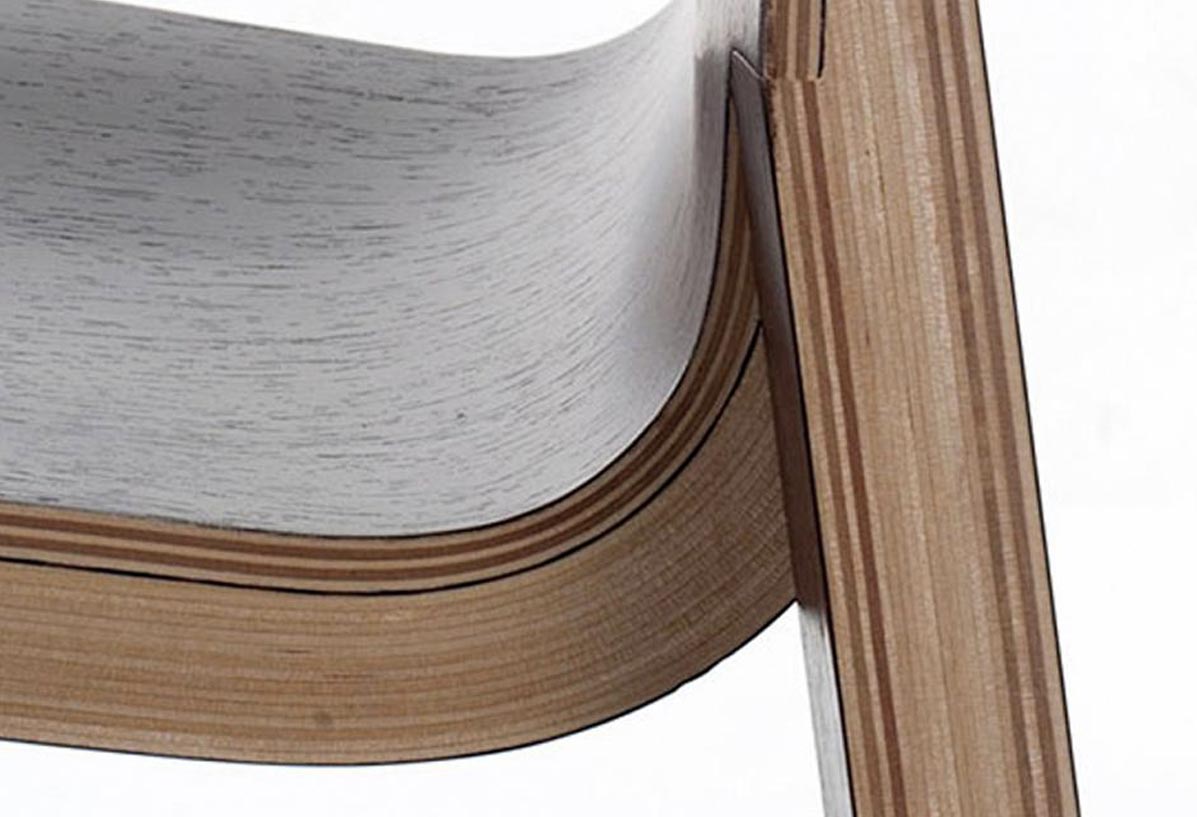
We work with solid wood, cross laminated timber, cold-foam polyurethane, and metal — materials selected for structural performance, durability, and long-term use. Each piece of furniture is designed with permanence in mind. Components that age with integrity and maintain their function over time endure, and replacement becomes unnecessary. Designed for strength and stability, our furniture can be disassembled, repaired, and recycled.
Carbon Footprint
96% percent of all finished furniture products are manufactured domestically. This allows us to be rigorous about quality control, reduce transportation costs, and foster direct collaboration with craftspeople. This also ensures consistency with lead time and specifications.
Asset Retirement Considerations
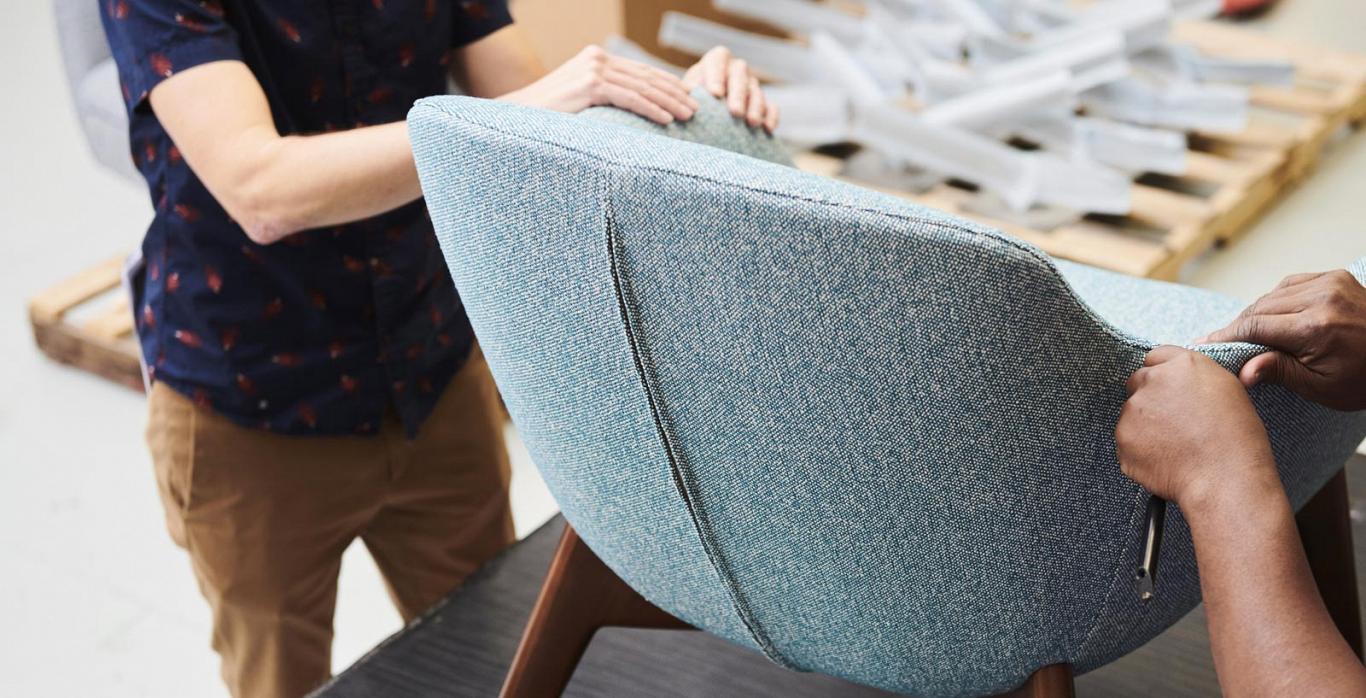
BRAYTON designs its products with durability and long-term performance in mind. In many cases, products remain functional well beyond the period in which they are needed, creating the need for responsible end-of-life management.
While disposal through traditional waste streams remains an option, BRAYTON encourages more sustainable alternatives whenever possible. Because BRAYTON products are used worldwide, returning them to their place of manufacture can require significant energy and increase carbon emissions. Customers are therefore encouraged to extend each product’s useful life through repurposing or to recover materials through local recycling programs. This approach helps reduce environmental impact while supporting responsible resource management.
Furniture Repurpose
Before disposing of a BRAYTON product, consider giving it a second life. Donating furniture to charitable organizations, community programs, shelters, schools, or other nonprofits can extend its useful life while benefiting those in need. Many organizations accept furniture donations, and some may offer pickup services.
Potential recipients include:
- Furniture banks and donation centers
- Homeless and family shelters
- Refugee assistance programs
- Churches and community organizations
- Schools, theaters, and nonprofit groups
- Online reuse networks and local exchange programs
Repurposing products helps reduce landfill waste, conserves resources, and supports communities by keeping quality furniture in use for years to come.
- Habitat ReStores are home improvement stores that accept small and large donations of new or gently used furniture, appliances, housewares, building materials and more. Proceeds from the sales of these items help Habitat’s work in your community and around the world. https://www.habitat.org/restores/donate-goods
- For more than 100 years, The Salvation Army has operated facilities across the country that provide help and hope for individuals. Their charitable residential programs offer spiritual, emotional, and social assistance in an environment designed to help participants live healthy, fulfilling lives. https://satruck.org/
- Reach out to churches and faith-based organizations in your community to see if they coordinate furniture donation efforts for individuals or families in need, or if they can connect you with someone who could benefit from household furnishings.
- You may also consider donating furniture and household goods to organizations that support people experiencing homelessness, survivors of domestic violence, or newly arrived refugees. Community resource centers and local charitable networks can often provide information about organizations accepting these donations. For privacy and safety reasons, some shelters may not publicly share their physical locations.
- Community theater companies and performing arts groups often welcome donated furniture and household items for use in stage productions, helping them reduce production expenses while giving your items a second life.
Furniture Recycling & Material Recovery
When reuse or donation is no longer a viable option, recycling can help divert furniture and furnishings from landfills and support responsible resource recovery. While recycling often requires additional labor to separate and process materials, many furniture products are designed to facilitate disassembly and recycling at the end of their useful life.
Furniture products may contain a combination of materials, including wood, metal, plastic, glass, foam, upholstery components, and other materials. Depending on local capabilities, many of these materials can be accepted through municipal recycling programs or specialized recycling facilities. Certain materials, such as steel, aluminum, and other metals, may also be recovered through scrap recycling programs.
Recycling options vary by location. If local recycling services are unavailable for specific materials, regional recycling organizations, industry resources, furniture recycling programs, and state environmental agencies can often provide guidance on alternative recycling and recovery solutions.
When disassembling furniture products for recycling, appropriate safety procedures and personal protective equipment should always be used.

Environmental
At Brayton, we offer environmentally responsible textiles engineered to perform in high-traffic commercial interiors. Our mission is to elevate spaces, while contributing to a better world through materials that are beautiful, durable, easy to maintain, and thoughtfully sourced.

Material Integrity, Longevity, and End of Product Life
We work with solid wood, cross laminated timber, cold-foam polyurethane, and metal — materials selected for structural performance, durability, and long-term use. Each piece of furniture is designed with permanence in mind. Components that age with integrity and maintain their function over time endure, and replacement becomes unnecessary. Designed for strength and stability, our furniture can be disassembled, repaired, and recycled.
Certificates & Standards
Our textiles comply with strict environmental and health standards, including Healthier Hospitals, HPDs, REACH, and RoHS. The majority contain no added flame retardants, anti-bacterial or anti-microbial chemicals, lead, heavy metals, formaldehyde, BPA, PVC, or phthalates. Detailed environmental benefits are outlined on each textile product page.
Asset Retirement Considerations
BRAYTON designs and manufactures textile products for durability, quality, and long-term use. In many cases, these products remain serviceable beyond their original application, making responsible end-of-life management an important consideration. When a product is no longer needed, disposal through conventional waste streams may be available; however, BRAYTON encourages customers to pursue more sustainable alternatives whenever feasible. As BRAYTON textiles are used globally, returning products to their point of manufacture may require significant transportation resources and result in additional greenhouse gas emissions.
Customers are encouraged to extend the useful life of textile products through reuse, donation, repurposing, or upcycling. When further use is not practical, local textile recycling and material recovery programs should be considered to maximize resource recovery and minimize landfill disposal.
By prioritizing reuse and recycling, customers can help reduce environmental impacts, conserve valuable resources, and support a more circular approach to textile product management.
Textile Repurpose
Donating used textiles to charitable organizations, community programs, shelters, schools, or other nonprofits can extend their useful life while benefiting those in need. Many organizations accept donations of clothing, linens, towels, blankets, and other textile products, and some may offer convenient drop-off or collection options.
Potential recipients include:
- Clothing donation centers and thrift stores
- Homeless and family shelters
- Refugee assistance programs
- Animal shelters (for towels, blankets, and bedding)
- Churches and community organizations
- Schools, theaters, and nonprofit groups
- Textile recycling and reuse programs
- Online reuse networks and local exchange programs
Repurposing and donating textiles helps reduce landfill waste, conserves resources, and supports communities by keeping usable materials in circulation for as long as possible. Even textiles that are no longer suitable for reuse may be accepted by textile recycling programs, where they can be transformed into new products or industrial materials.
Try a service like RETOLD, a subscription-based, mail-in textile recycling service that allows consumers to responsibly dispose of old clothing, fabric scraps, and household textiles. Founded in 2020, the company aims to reduce landfill waste by ensuring discarded textiles are upcycled, recycled, or resold through a vetted network of partners. https://www.retoldrecycling.com/
Creative Reuse Centers: Organizations like Schools, Senior centers or similar local non-profits often accept leftover upholstery remnants, fabric scraps, and trim. Many arts and creative reuse organizations welcome larger pieces of fabric and connect them with people who can transform them into new craft projects. Examples include the East Bay Depot for Creative Reuse in Oakland, California, and the Pittsburgh Center for Creative Reuse. Local charities may also be able to use donated fabric to create quilts, dolls, and other handmade items for those in need. Consider checking whether your community has chapters of organizations such as Quilts of Valor, which provides quilts to service members and veterans, or Project Linus, which donates handmade blankets to children facing difficult circumstances.
If you have smaller fabric scraps that are difficult to donate, there are many creative ways to repurpose them. Fabric remnants can be turned into miniature quilts, table runners, and other decorative home accents. Leftover brocade, upholstery fabric, or other specialty textiles can be crafted into handbags, smartphone holders, or small accessories. Even the tiniest pieces can find new life in handmade jewelry, embellishments, and mixed-media art projects.
Make Pet Beds: Stuff old cushions and fabric scraps into a pillowcase or durable fabric to make beds for shelters.
Textile Recycling & Material Recovery
When reuse or donation is no longer a viable option, recycling can help divert materials from landfills and support responsible resource recovery. While recycling often requires additional labor to separate and process materials, many products are designed to facilitate disassembly and recycling at the end of their useful life.
Textile products may contain a combination of materials, including fabrics, foam cushioning, plastics, and other components. Depending on local capabilities, many of these materials can be accepted through municipal recycling programs or specialized recycling facilities.
Recycling options vary by location. If local recycling services are unavailable for specific materials, regional recycling organizations, industry resources, and state environmental agencies can often provide guidance on alternative recycling and recovery solutions. When disassembling products for recycling, appropriate safety procedures and personal protective equipment should always be used.
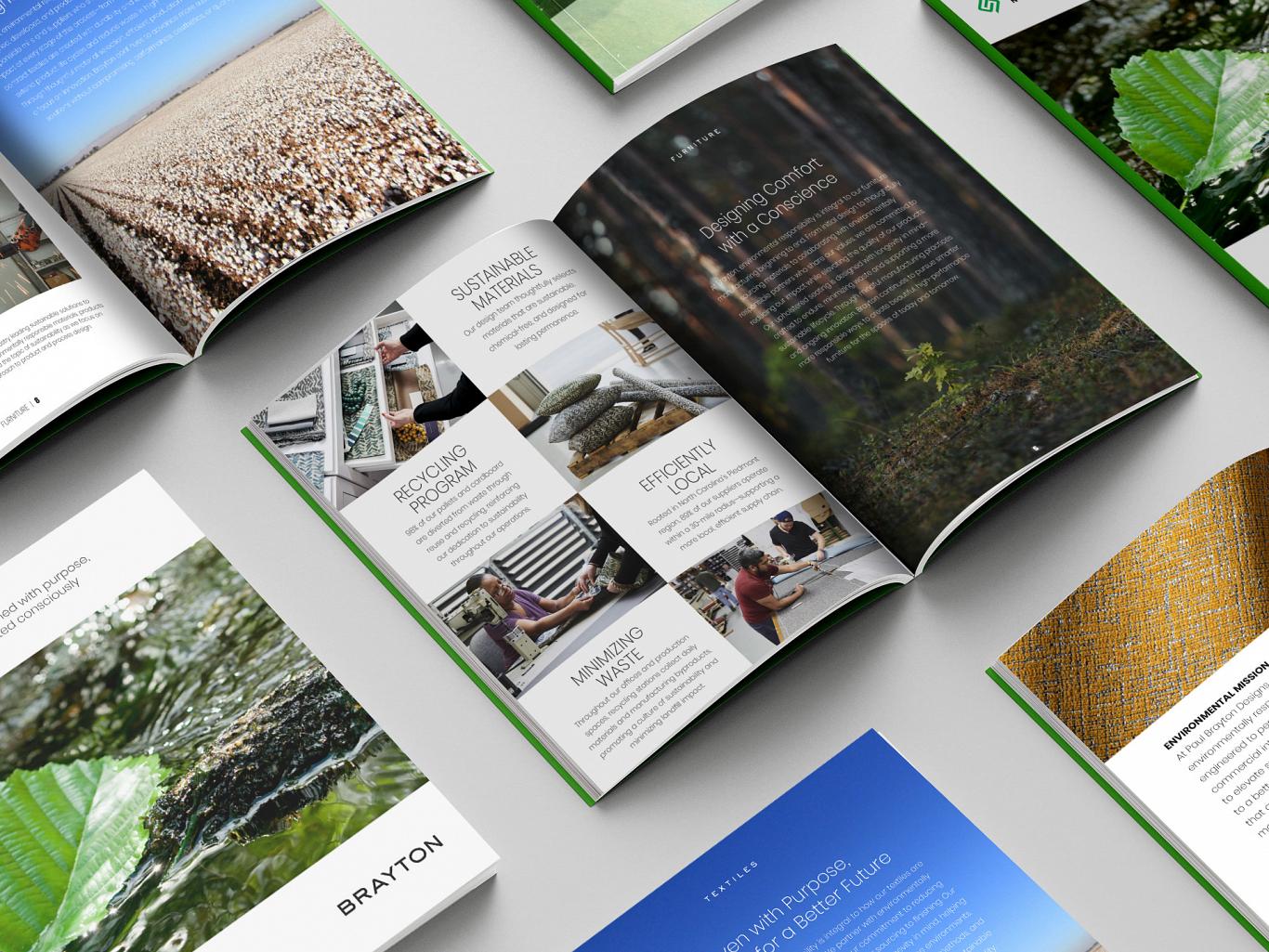
Ready to learn more about how Brayton is
shaping a more responsible future? Download our Furniture and
Textile Sustainability Statements or connect with us to discuss
how our furniture and textiles can support your next
project.
Brayton Second Nature Initiatives
+ Added.